Fan Demand Sparked Evangelion: Death & Rebirth's Alternate Ending
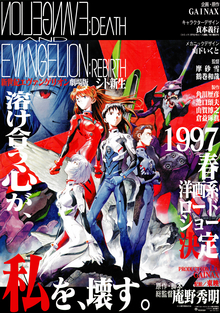
The saga of Neon Genesis Evangelion is as complex and enigmatic as its storyline, and few chapters exemplify this more than the creation of Neon Genesis Evangelion: Death & Rebirth. Released in 1997, this pivotal animated film wasn't just another entry in the franchise; it was a direct response to a fervent cry from fans who felt the original television series' conclusion left too many questions unanswered. Far from being a mere cinematic afterthought, Death & Rebirth emerged as a crucial bridge, promising an alternate ending and setting the stage for one of anime's most discussed and debated finales.
The original TV series of Neon Genesis Evangelion concluded with episodes 25 and 26, which dove deep into the psychological landscapes of its characters, eschewing traditional narrative resolution for an introspective journey. While lauded by many for its artistic bravery and philosophical depth, a significant portion of the audience yearned for a more concrete, action-oriented conclusion to the apocalyptic events. This strong fan demand for an alternate ending became the catalyst for the entire feature film project, with Death & Rebirth acting as its inaugural installment. It laid the groundwork, both narratively and logistically, for the ultimate theatrical conclusion that would follow.
The Genesis of Fan Demand: Why Evangelion Needed a New Ending
To understand the necessity of Neon Genesis Evangelion: Death & Rebirth, one must first grasp the cultural impact and controversial reception of the original television series' ending. Hideaki Anno's masterpiece captivated audiences with its blend of giant mecha action, complex character psychology, and profound philosophical and religious symbolism. However, as the series progressed, budget constraints and creative shifts led to a highly abstract and introspective finale in episodes 25 and 26. These episodes abandoned traditional plot resolution, focusing instead on the characters' internal struggles and psychological breakthroughs within the Human Instrumentality Project.
For many viewers, this abrupt departure from conventional storytelling was deeply unsatisfying. Fans who had invested themselves in the grand narrative of Angels, Evas, and the fate of humanity felt cheated out of a tangible conclusion. The ending, while brilliant in its own right, left a void where epic battles and clear resolutions were expected. This widespread dissatisfaction fueled an unprecedented surge in fan demand for a "true" ending, one that would provide closure to the external conflicts and bring the characters' journeys to a more traditional, if still devastating, close. This intense desire from the fanbase wasn't just acknowledged but actively embraced by the creators, leading directly to the ambitious feature film project and the initial cinematic offering of Death & Rebirth.
Deconstructing Evangelion: Death – More Than Just a Recap
The first component of the film, Evangelion: Death, is often simplistically described as a "recap" or "clip show" of the first 24 episodes of Neon Genesis Evangelion. While this description holds true at a surface level, it vastly undersells the creative intent and added value it brought to the franchise. Death wasn't merely a compilation; it was a carefully curated and re-edited presentation designed to refresh viewers' memories and re-contextualize the series' events in preparation for the upcoming finale.
What truly sets Evangelion: Death apart are the significant additions and revisions it introduced. The film integrated entirely new animation, including re-drawn shots that refined existing sequences and completely fresh shots that augmented the original broadcast material. These enhancements polished the visual experience, correcting some of the rough edges born from the TV series' tight production schedule. Perhaps most notably, Death introduced linking segments centered around the four main characters—Shinji, Rei, Asuka, and Kaworu—playing Pachelbel's Canon as a string quartet. This elegant, melancholic motif provided a contemplative and somewhat ironic counterpoint to the chaos being recapped, suggesting a search for harmony amidst the discord. These new animated portions, particularly the "Director's Cut" versions of episodes 21-24 found on home video releases, served to bridge gaps and offer subtle new insights into character motivations, proving that Death was an active re-interpretation rather than a passive summary.
Evangelion: Rebirth – A Glimpse into the True Finale
Following the comprehensive recap of Death, the second section, Evangelion: Rebirth, delivered on the promise of new content that fans had eagerly awaited. Consisting of approximately 24 minutes of entirely new animation, Rebirth was initially conceived as the full re-worked ending to the Neon Genesis Evangelion TV series. This segment promised to deliver the narrative resolution and cinematic spectacle that many felt was missing from the original broadcast.
However, the ambitious scope of the project and the inherent challenges of anime production led to significant overruns. Consequently, Rebirth, despite its original intent, became only the first half of the first part of the much grander cinematic conclusion: The End of Evangelion. Released just four months after Death & Rebirth, The End of Evangelion would complete the story that Rebirth began. This means that Rebirth offered audiences a tantalizing, albeit incomplete, glimpse into the alternate ending they had demanded. It showcased the devastating events of the beginning of the Third Impact and the unfolding of SEELE's plan, providing a stark contrast to the internal monologues of the TV finale. For many fans, this segment served as undeniable proof that their desire for a more definitive, action-packed resolution was being addressed, even if the full picture required a subsequent viewing of The End of Evangelion.
The Enduring Legacy of Death & Rebirth and Fan-Driven Content
The impact of Neon Genesis Evangelion: Death & Rebirth extends far beyond its initial release. It stands as a testament to the power of fan demand in shaping the trajectory of major media franchises. Without the overwhelming outcry for an alternate ending, the entire theatrical film project, including the highly influential The End of Evangelion, might never have materialized in the form it did. Death & Rebirth proved that creators could not only listen to their audience but also deliver content that directly addressed their desires, albeit with their own unique creative vision.
Moreover, the various re-edits and re-releases of Death & Rebirth, such as the *Death(True)* version, underscore its continued relevance and the franchise's ongoing evolution. These different cuts and repackagings highlight the complex production history and the creators' continuous efforts to refine and present the story in new ways. For newcomers to the series, Death & Rebirth serves as an invaluable primer, efficiently recapping the intricate plot points and character arcs, thus preparing them for the intense emotional and philosophical journey of The End of Evangelion. Its existence solidifies Neon Genesis Evangelion's place as a cornerstone of anime history, not just for its groundbreaking narrative, but for its dynamic relationship with its passionate fanbase.
Conclusion
Neon Genesis Evangelion: Death & Rebirth is much more than a supplementary film; it's a pivotal moment in the history of the Neon Genesis Evangelion franchise, born directly from the passionate demands of its global fanbase. It masterfully bridged the gap between the polarizing TV series ending and the epic cinematic conclusion, The End of Evangelion. Through its sophisticated recap in Death and the initial, albeit fragmented, promise of a new narrative in Rebirth, the film not only addressed the audience's desire for closure but also demonstrated the profound influence fans can wield in the creative process. Its legacy as a direct response to fan outcry, combined with its crucial role as a precursor to the definitive cinematic ending, ensures its enduring significance for both long-time devotees and new generations discovering the complex, unforgettable world of Evangelion.